Cleaning Robot Comparison 2026: Gaussian vs Pudu vs Avidbots — Which Is Worth It in Thailand?
A 2026 comparison of commercial cleaning robots: Gaussian Phantas vs Pudu BG1 vs Avidbots Neo 2 from every angle — specs, Thai-market prices, and area cleaned per hour.
TL;DR: Cleaning Robot Comparison 2026
The market for commercial cleaning robots in Thailand is growing very fast in 2026, and each brand has a different sweet spot, and choosing wrong can mean an area/cost mismatch that never pays off.
| Brand | Flagship model | Area/hr | Thai price (THB) | Best for |
|---|---|---|---|---|
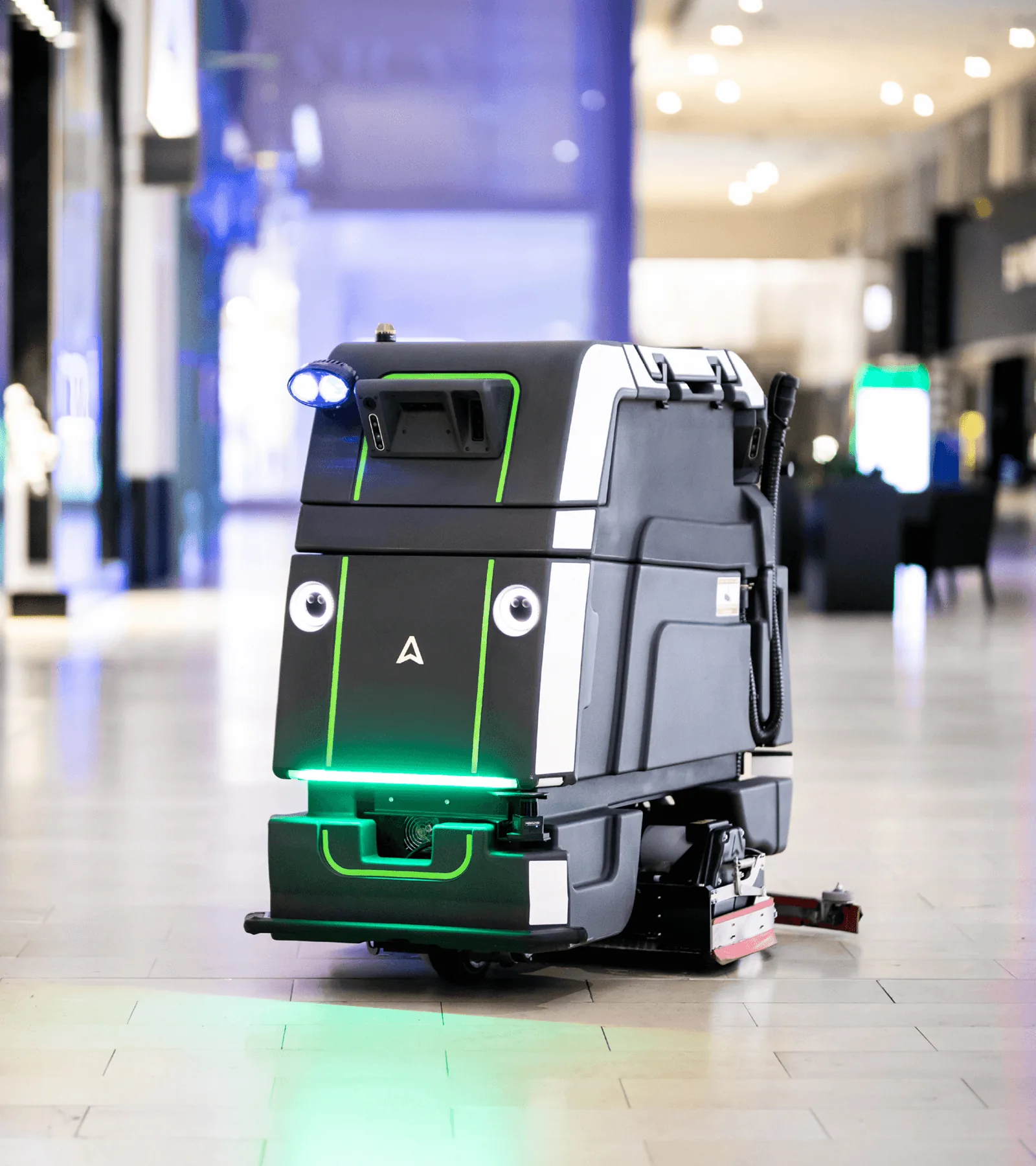
| Avidbots | Neo 2 | 1,800–2,200 sq.m. | ฿2,200,000–3,200,000 | Airports, malls > 10,000 sq.m. |
| Gaussian Robotics | Scrubber 75 | 1,400–1,700 sq.m. | ฿1,400,000–1,800,000 | Hospitals, mid-size malls |
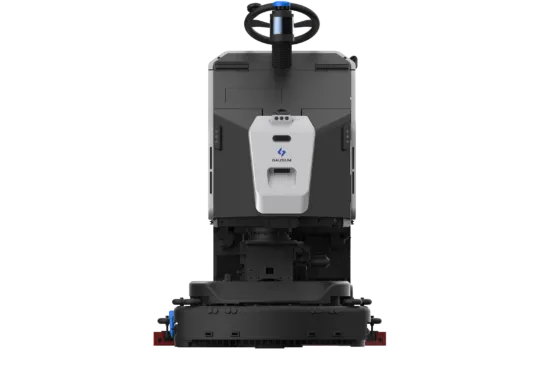
| Gaussian Robotics | Phantas | 800–1,100 sq.m. | ฿650,000–950,000 | Offices, retail branches |
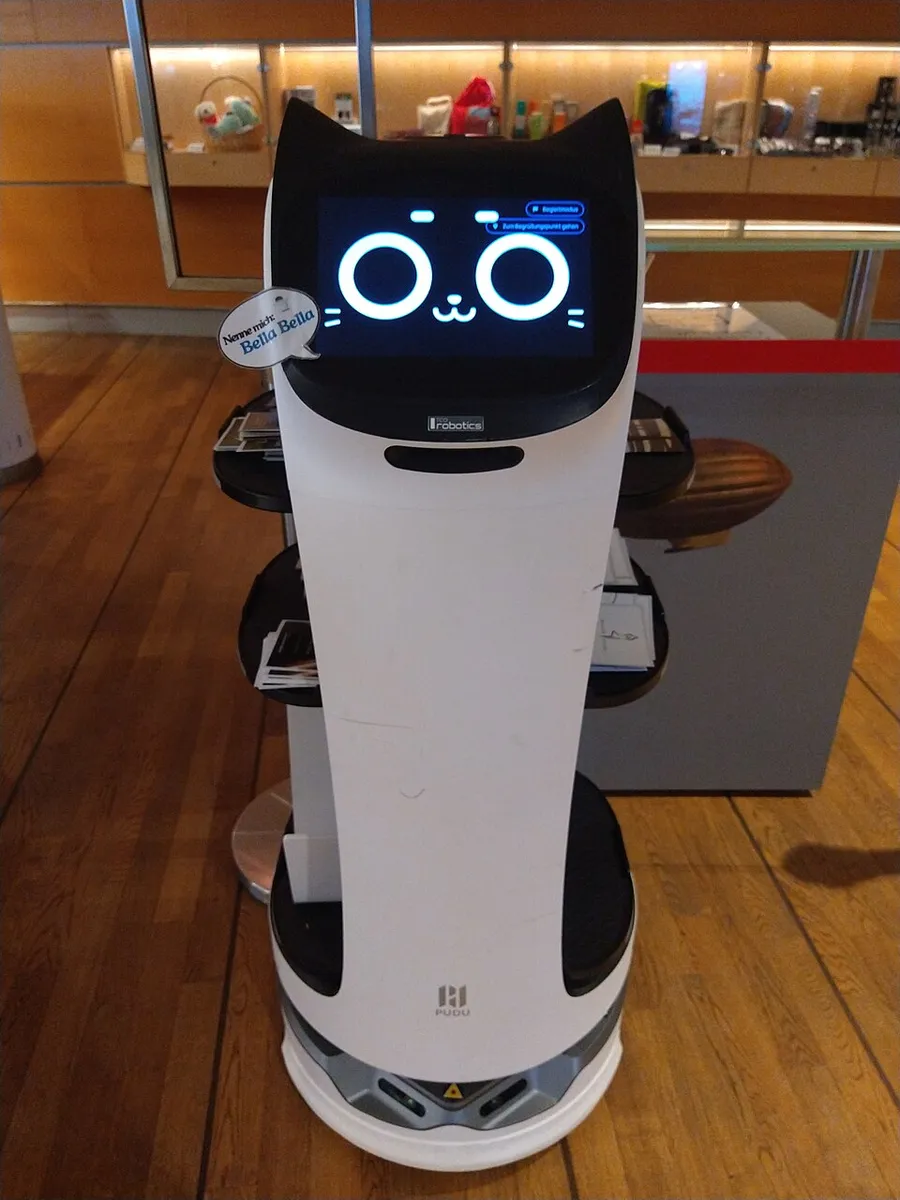
| Pudu | BG1 | 600–900 sq.m. | ฿380,000–550,000 | Hotels, restaurants, SMEs |
Three-point summary:
- Large areas > 10,000 sq.m., single-level floor, cleanliness as a KPI → Avidbots Neo 2
- Medium areas 3,000–8,000 sq.m. + need for multi-floor + cloud dashboard → Gaussian Robotics Phantas or Scrubber 75
- Small areas < 3,000 sq.m. or a limited hospitality budget → Pudu BG1
According to IFR World Robotics 2025 (ifr.org/worldrobotics), the professional service robot market is growing 30% YoY, and cleaning holds the largest share within the commercial-robot group — with Asia growing the fastest.
Why Are Cleaning Robots Booming in Thailand in 2026?
Over the past two years, the commercial cleaning robot market in Thailand has shifted from a “novelty/showpiece” into a genuine cost-cutting tool for airports, shopping malls, hospitals, and 5-star hotels. There are three main reasons: (1) the minimum wage in Bangkok and its surrounding provinces has risen to ฿400/day, which plus overhead totals ฿18,000–25,000/person/month; (2) airports and malls need cleanliness standards that are measurable and traceable via a cloud dashboard; and (3) high turnover among outsourced cleaning staff — 80–120% per year — causes training costs to pile up.
The three brands that genuinely dominate the Thai market are Avidbots (Canada), Gaussian Robotics (Singapore/China), and Pudu (China) — and this article compares all three on the dimensions that actually matter for a real purchase decision, not just brochure specs.
Spec-and-Price Comparison of 4 Flagship Cleaning Robots for 2026
The prices below are compiled from distributors and system integrators in Thailand during Q1–Q2 2026 (robot + standard kit + commissioning only, excluding VAT and multi-year subscriptions).
| Brand/Model | Type | Productivity | Battery Run-time | Weight | IP rating | Price (THB) |
|---|---|---|---|---|---|---|
| Avidbots Neo 2 | Large scrubber-dryer | 1,800–2,200 sq.m./hr | 4.5–6 hr | 540 kg | IPX4 | ฿2,200,000–3,200,000 |
| Gaussian Robotics Scrubber 75 | Mid-size scrubber | 1,400–1,700 sq.m./hr | 4–5 hr | 320 kg | IPX4 | ฿1,400,000–1,800,000 |
| Gaussian Robotics Phantas | Compact scrubber | 800–1,100 sq.m./hr | 3.5–4.5 hr | 95 kg | IPX4 | ฿650,000–950,000 |
| Pudu BG1 | Compact scrubber + vacuum | 600–900 sq.m./hr | 3–4 hr | 60 kg | IPX4 | ฿380,000–550,000 |
| Pudu CC1 | Floor + carpet hybrid | 500–800 sq.m./hr | 3–4 hr | 78 kg | IPX4 | ฿520,000–680,000 |
Three observations from the table:
- Productivity per ฿ invested: The Avidbots Neo 2 looks expensive, but divide the price by area/hr and it comes out to ฿1,200–1,500 per 1 sq.m./hr, while the Pudu BG1 works out to ฿550–700 — if the area is one large open sheet, the Avidbots is more cost-effective per unit, but if the area is fragmented, the Pudu wins.
- IP ratings are close, all at IPX4: every brand is designed to resist splashing water, not immersion — for heavy wet-floor washing you must check the add-on options.
- Weight matters for multi-floor: the 60 kg Pudu BG1 can fit in a passenger elevator and climb ramps, whereas the 540 kg Avidbots Neo 2 needs a freight elevator or a single floor.
Case Study: A 65,000 sq.m. Mall in Bangkok — Which Deployment Is More Worthwhile?
One client for whom the author ran a feasibility study in late 2025 — a 65,000 sq.m. shopping center (4 floors) in inner-city Bangkok — had been hiring an outsourced cleaning team of 14 people/shift, at a total cost of ฿2,950,000/year (labor + supervisor + equipment + loss and wear). Management wanted to cut costs by 30% while keeping the cleanliness KPI no lower than before.
Options compared:
| Option | Quantity | CAPEX (THB) | OPEX/year (THB) | Staff replaced |
|---|---|---|---|---|
| Avidbots Neo 2 (only the large 18,000 sq.m. Ground floor) | 1 | ฿2,800,000 | ฿180,000 | 4 people |
| Gaussian Scrubber 75 (Ground + Level floors) | 2 | ฿3,200,000 | ฿240,000 | 5 people |
| Pudu BG1 across the whole mall (8 zones) | 8 | ฿3,600,000 | ฿320,000 | 6 people |
| Hybrid: Avidbots 1 + Phantas 3 + BG1 2 | 6 | ฿4,500,000 | ฿380,000 | 9 people |
Result: the client chose the 6-unit Hybrid because it recovers the CAPEX in 28 months, cuts annual OPEX by ฿1,200,000 (40%), and the cleanliness KPI is measured hourly through the Gaussian Cloud Dashboard — this case shows that “mixing brands” by area zone is more cost-effective than buying a single brand for everything.
Size selection follows the shape of the floor: one continuous open sheet favours a single large machine, while most Thai malls and office buildings are split into sub-zones with many columns — the conditions under which a hybrid fleet wins.
Comparing Software, Cloud Dashboard, and Fleet Management
A dimension often overlooked but important over the long run is software — all three brands have their own cloud platform, but the features and pricing differ clearly.
| Platform | Free tier | Subscription/unit/year | Real-time map | Multi-site | API |
|---|---|---|---|---|---|
| Avidbots Command Center | ❌ | ฿65,000–95,000 | ✅ live HD | ✅ | ✅ REST |
| Gaussian Cloud | 1 unit free | ฿35,000–55,000 | ✅ | ✅ | ✅ REST |
| Pudu Open Platform | ✅ all units | ฿0 (pay starts after year 2 at ฿15,000) | ✅ basic | ✅ limited to 10 units | ✅ limited |
Software selection advice: if you plan to scale to > 10 sites → Avidbots/Gaussian is more worthwhile because multi-site map sync works; if you have < 5 units and don’t need ERP integration → the Pudu Open Platform’s free tier is the best value. And don’t forget to check the SLA service of the Thai distributor: Gaussian has a local team in Bangkok + Rayong, Avidbots uses the partners Drinkwell/iOTA, and Pudu has several resellers but with varying levels of technical support.
Note: all three brands of cleaning robot share the same foundation as an AGV/AMR — namely SLAM + LiDAR + IMU navigation — so if your factory/warehouse already has an AGV fleet, your technical team can look after a cleaning robot almost immediately.
5 Common Mistakes When Buying a Cleaning Robot
From auditing more than 20 deployments across Thailand in 2024–2025, the author has found 5 mistakes that clients make repeatedly:
- Choosing by price and ignoring productivity per ฿: buying 4 Pudu BG1 units to cover a 12,000 sq.m. area looks like cheap CAPEX, but in reality you need staff to swap batteries and water every 3 hours — a single Avidbots Neo 2 is more cost-effective.
- Not testing mapping at the real site before buying: every brand of robot needs good initial mapping (SLAM); if the area has glass, shiny aluminum tables, or glossy floors, the sensors may not work well — always ask for a 2-week POC before ordering.
- Overlooking water/wastewater logistics: the Avidbots Neo 2 has a 95L water tank (clean + waste) that must be filled/drained every 2–3 hours; if the refill point is far away, the operator has to walk back and forth — the location of the charging dock + water station matters just as much as the robot’s specs.
- Not counting training and change management: robots change the cleaning staff’s workflow, so you have to re-train supervisors to read the dashboard and re-plan schedules — the training budget often gets cut, which pushes utilization below 50%.
- Forgetting firmware/OTA and cybersecurity: every brand has cloud connectivity; if the mall’s/hospital’s IT doesn’t approve the VLAN/firewall rules before Day 1, the robot may not come fully online — talk to IT 4–6 weeks in advance.
Summary and Next Steps for Thai Buyers
To sum up for a purchasing department or Facility Manager who is shortlisting cleaning robots in 2026:
- Large single-floor areas > 10,000 sq.m. (airports, warehouses, mall Ground floors): Avidbots Neo 2 — the highest productivity per unit, ROI 24–36 months
- Medium areas 3,000–8,000 sq.m. + multi-floor: Gaussian Robotics Scrubber 75 or Phantas — flexible with a good cloud dashboard
- Small areas/hotels/SMEs with a limited budget: Pudu BG1 — the lowest CAPEX and the fastest payback
- Hybrid (malls, hospitals with diverse zones): mix 2–3 brands by zone, using Gaussian Cloud as the hub to manage the fleet
Recommended next steps: (1) prepare a floor plan + zoning before talking to vendors; (2) request a 2-week POC from 2–3 brands to compare real productivity; (3) check the SLA, spare-parts lead time, and training package before signing a contract; and (4) start with 1–2 pilot units before scaling, and measure with KPIs agreed in advance. See also the articles Cleaning Robots for Thai Airports and Hospitals and Floor Scrubber Buyer Checklist 2026 for in-depth case studies of real deployments in Thailand.
Related FAQ
Which commercial cleaning robot brand is the best fit for Thailand in 2026?
It depends on the size of the area: for malls/airports with more than 10,000 sq.m. per floor → the Avidbots Neo 2 (1,800–2,200 sq.m./hr) is the most cost-effective; for 3,000–8,000 sq.m. → the Gaussian Phantas or Scrubber 75; and for small areas under 3,000 sq.m. or hospitality work → the Pudu BG1 at ฿380,000–550,000 is better value and easier to service.
How much do Gaussian, Pudu, and Avidbots cleaning robots differ in price in Thailand in 2026?
The Pudu BG1 is the cheapest at ฿380,000–550,000, the Gaussian Phantas ฿650,000–950,000 and the Scrubber 75 ฿1,400,000–1,800,000, while the Avidbots Neo 2 is ฿2,200,000–3,200,000 (including commissioning + first-year cloud subscription). Every brand offers a rental option at ฿35,000–95,000/month.
How many years does a cleaning robot take to pay back compared to hiring cleaning staff?
Based on outsourced cleaning labor in Bangkok at ฿18,000–25,000/person/month including overhead, one Pudu BG1 replacing one cleaner pays back in 18–24 months; a Gaussian Scrubber 75 replacing 2–3 people pays back in 22–30 months; and an Avidbots Neo 2 in a large airport/mall replacing 4–6 people pays back in 24–36 months.