Cleaning Robots for Thai Airports & Hospitals 2026: How to Choose and Evaluate
Choosing a commercial cleaning robot for a Thai airport or hospital: the models actually sold here, price ranges, what to check before signing a PO, and how to work out ROI from your own numbers.
TL;DR for airport and hospital management
Commercial cleaning robots are in use in large Thai buildings — but who runs how many, and with what result, is almost never published. So this is not a customer list. It is how to choose one, and how to check the claims before you pay.
Thai price ranges for 2026 (our own estimates, not quotes):
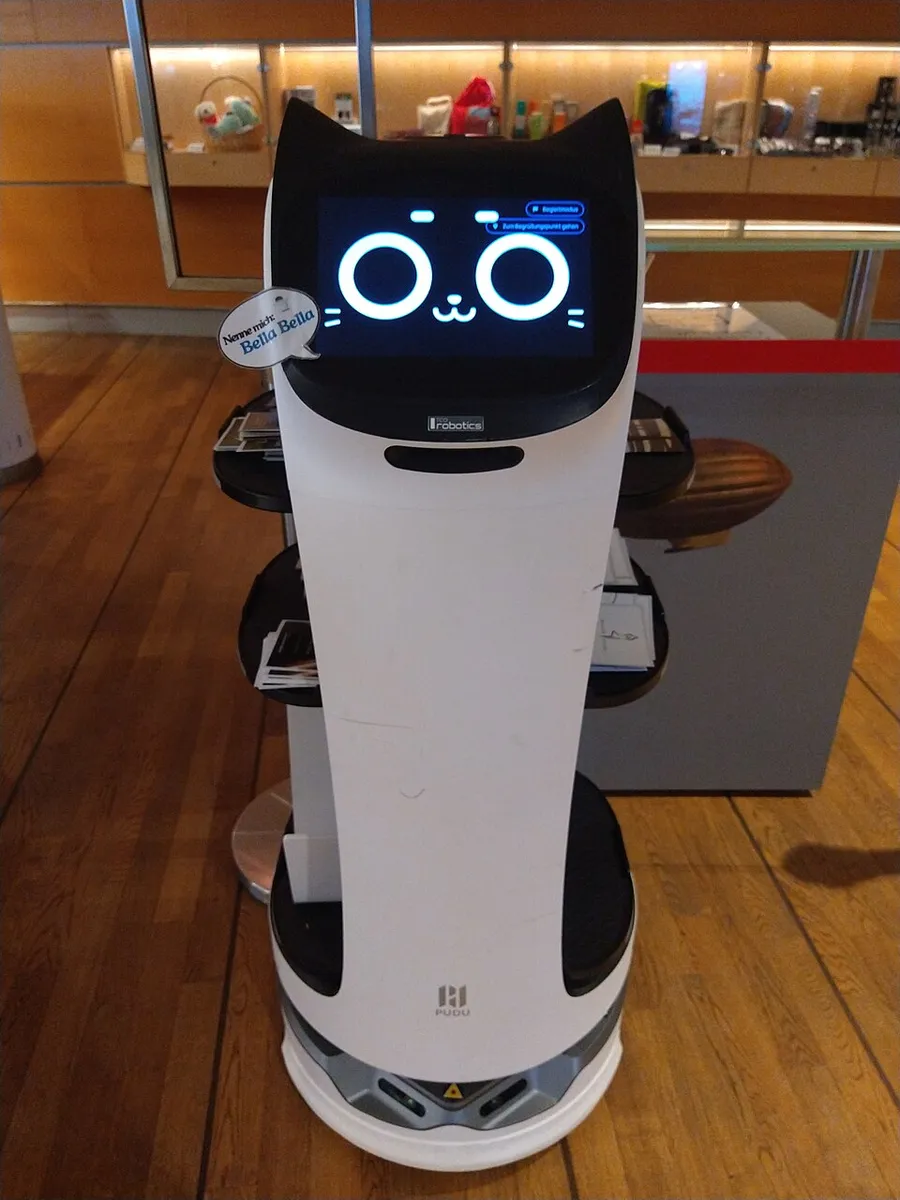
- Pudu CC1 / SH1 (China) ~฿1,200,000–1,800,000 — the easiest entry point
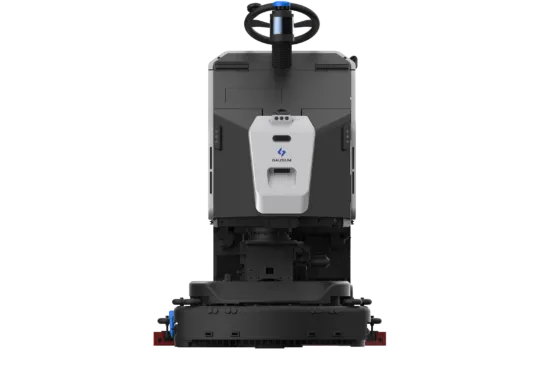
- Gaussian Scrubber 50/75 (China/Singapore) ~฿1,800,000–2,800,000 — the widest service network in SEA
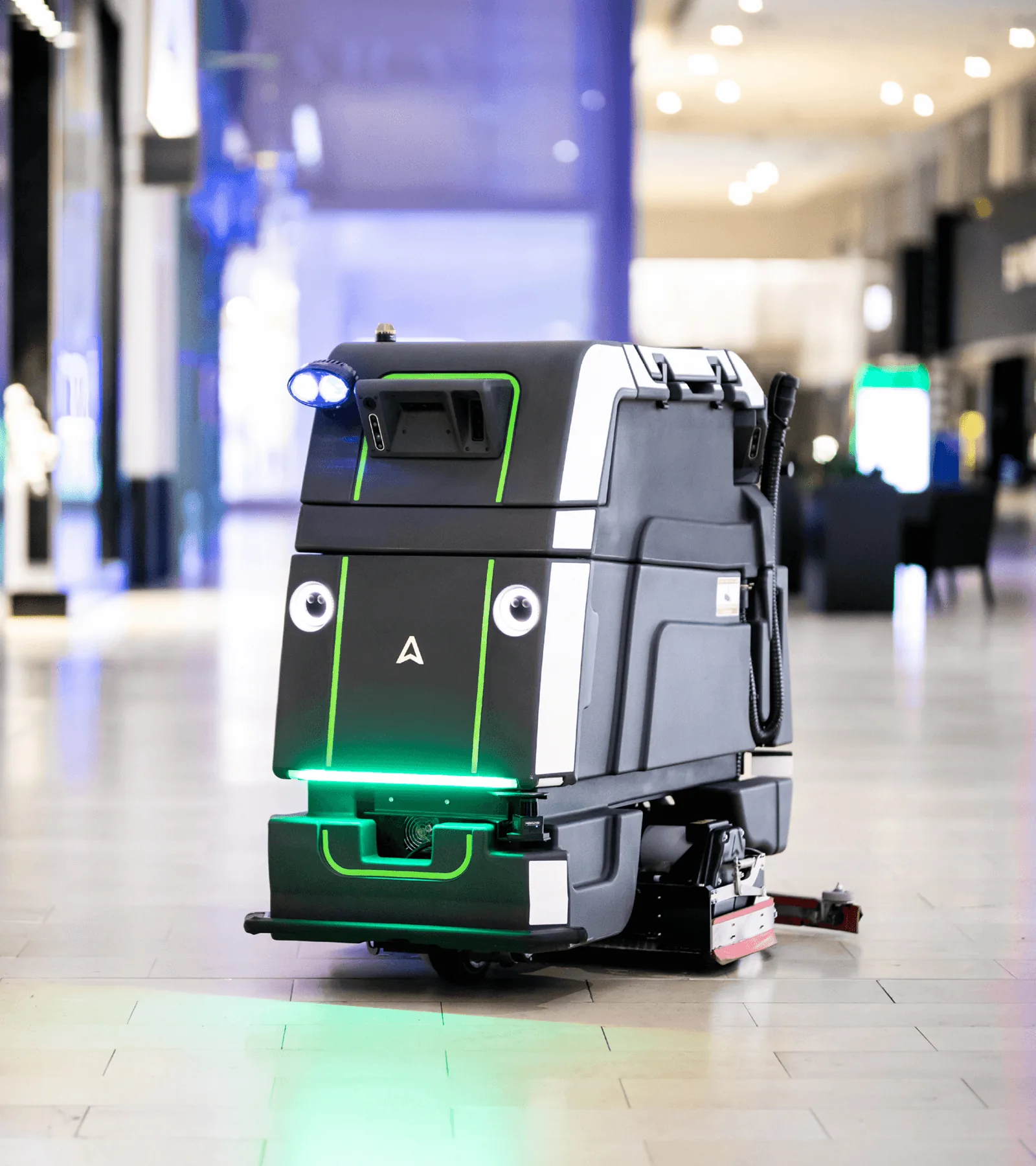
- Avidbots Neo 2 (Canada) ~฿2,800,000–4,000,000 — audit logs and SLAs for multinationals
The one warning that matters: do not buy without a site survey. Floors flat to ±5 mm/3 m, and 5 GHz Wi-Fi across every route the robot drives — otherwise real utilisation lands well below what the spec sheet promises.
What can be verified, and what cannot
Verifiable:
- AOTGA, the ground-services company in the AOT group, states on its own services page that it uses intelligent cleaning robot systems.
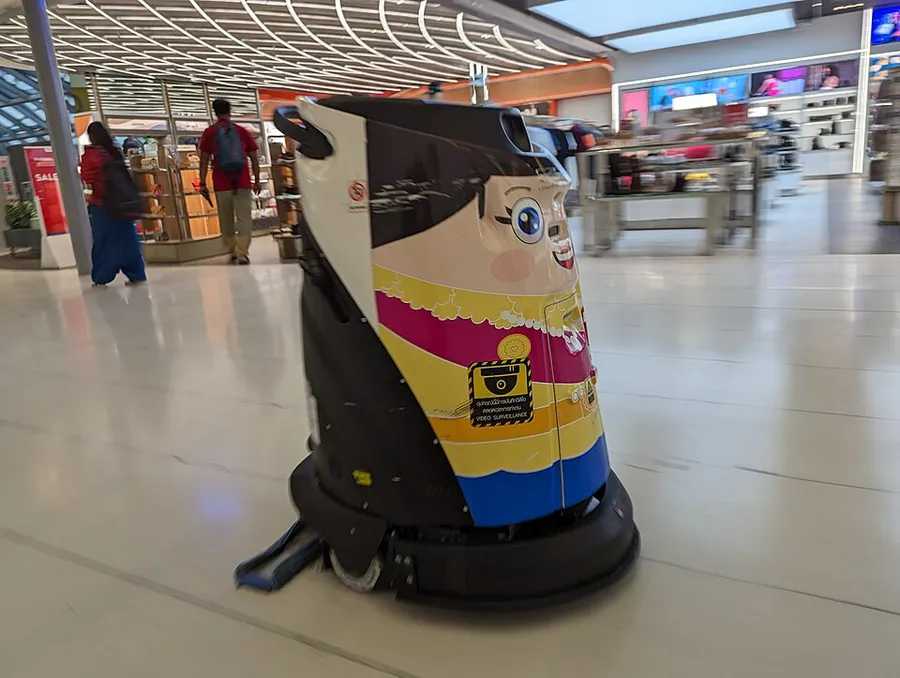
- Photographs of a floor-cleaning robot working in the Suvarnabhumi terminal have been published in the press.
- Thai private hospitals have used UV disinfection robots since 2020 — Bumrungrad published its own.
Not verifiable, and we will not write as though we know it: fleet size at any given airport or hospital · which brand and model each site chose · headcount changes · hospital-acquired infection rates before and after · audit scores · per-site payback periods. These are internal figures nobody has released.
This page previously stated all of the above as case studies of named airports and hospitals. None of it could be traced to a source, so it was removed on 5 Aug 2026.
Why interest is rising in Thailand
- A shortage of cleaning labour — night shifts in large buildings get harder to staff every year.
- IPC (Infection Prevention & Control) standards that require evidence cleaning actually happened on schedule, which automatic cleaning logs answer well.
- Rising wages, which push up the per-square-metre cost of all-manual work.
- Passenger volumes recovering, which means more cleaning cycles from the same headcount.
IFR World Robotics reports professional cleaning as one of the fastest-growing segments of the service-robot market worldwide.
Models available in Thailand and what each suits
| Model | Maker | Area/hr | Approx. Thai price (฿) | Suits |
|---|---|---|---|---|
| Pudu CC1 | Pudu (China) | 1,500 sqm | 1,200,000–1,500,000 | Public areas, commercial buildings |
| Pudu SH1 | Pudu (China) | 1,200 sqm | 1,500,000–1,800,000 | Hospital corridors, work needing a UV module |
| Gaussian Scrubber 50 | Gaussian Robotics | 2,000 sqm | 1,800,000–2,300,000 | Mid-size terminals, malls |
| Gaussian Scrubber 75 | Gaussian Robotics | 2,800 sqm | 2,300,000–2,800,000 | Large airports, factories |
| Gaussian Vacuum 40 + UV | Gaussian Robotics | 1,000 sqm | 1,600,000–2,000,000 | Semi-controlled hospital zones |
| Avidbots Neo 2 | Avidbots (Canada) | 3,200 sqm | 2,800,000–4,000,000 | Organisations that need audit logs and an SLA |
On the prices: our own ranges, derived from overseas pricing and distributor information — not quotes. They exclude the site survey and any UV-C/electrostatic module, which are always billed separately.
Working out ROI from your own numbers
Do not take a vendor’s payback figure at face value; it assumes full utilisation. Work it out like this:
- Measure the area a robot can actually cover — continuous flat floor only. Not stairs, not bathrooms, not cluttered zones.
- Find the monthly labour cost of that area — not of the whole team.
- Subtract what still needs people — robots do open floor; edges, corners and wiping stay manual.
- Add the costs that do not appear on the quote — annual service, Wi-Fi work, training, a parking and water-fill point.
- Run a 60–90 day pilot and measure real utilisation before committing to a fleet.
If pilot utilisation comes in under 60%, the problem is usually the floor or the Wi-Fi, not the robot.
The mistakes that recur in procurement
- Skipping the site survey — ordering before measuring, then cutting routes afterwards.
- Forgetting the Wi-Fi — older buildings rarely have full 5 GHz coverage; robots drop their link and need manual restarts.
- Choosing a brand with no service team in Thailand — cheaper, until you are waiting on a part from overseas. Airports and hospitals cannot absorb that downtime.
- Leaving SLA and uptime out of the contract — unwritten means best-effort.
- Treating it as a 1:1 headcount replacement — the real change is people moving to supervision and detail work, which needs retraining.
Checklist before signing the PO
- Site survey passed: floors flat to ±5 mm/3 m, no ramp steeper than 8°
- Wi-Fi heat map confirming 5 GHz across every route
- SLA: uptime and response time as numbers in the contract, with parts stocked in Thailand
- Training: at least two rounds for operators
- Integration: automatic cleaning logs into a system that can be audited
- Compliance: IPC sign-off (hospital) or airport safety review
- Pilot first: 1–2 units for 60–90 days, with utilisation recorded
In short
Large floors cleaned around the clock are where these pay for themselves, and a service team in Thailand matters more than any spec-sheet figure. Hospitals should start in public areas and move into controlled zones only when the IPC team agrees with the measured result.
Next step: ask two or three vendors for a site survey and a pilot proposal at the same time, compare five-year TCO rather than machine price, and ask to visit somewhere they have already installed. A vendor who cannot take you to see one is telling you something.
See also: Choosing cleaning robots for Thai factories and warehouses 2026
Related FAQ
Do Thai airports and hospitals already use cleaning robots?
Partly. AOTGA, the ground-services company in the AOT group, states on its own services page that it uses intelligent cleaning robot systems in the work it handles, and Thai hospitals have used UV disinfection robots since the COVID period. Fleet sizes, brands and per-site results are not published, so we do not put numbers against individual sites.
Can a hospital run cleaning robots in infection-controlled areas?
General floor robots are fine for lobbies, corridors and outpatient areas. Controlled zones need a model with a UV-C or electrostatic module and sign-off from the hospital's own IPC team. Operating theatres and high-level isolation rooms remain manual work.
Do airport and hospital units cost different amounts?
The base machines are comparable — roughly ฿1,200,000–2,800,000 depending on size and model. Hospital deployments usually add a UV-C or electrostatic module and carry acceptance costs tied to IPC standards. Real figures come from a quote, because they depend on the floor area and the service contract.
How do you work out ROI without fooling yourself?
Take the monthly labour cost of the area the robot will actually cover, subtract the part that still needs people, then set it against the machine price plus the annual service and any Wi-Fi work. Vendor payback figures assume full utilisation, which is rarely what you get. Run a 60–90 day pilot and measure your own utilisation before scaling.